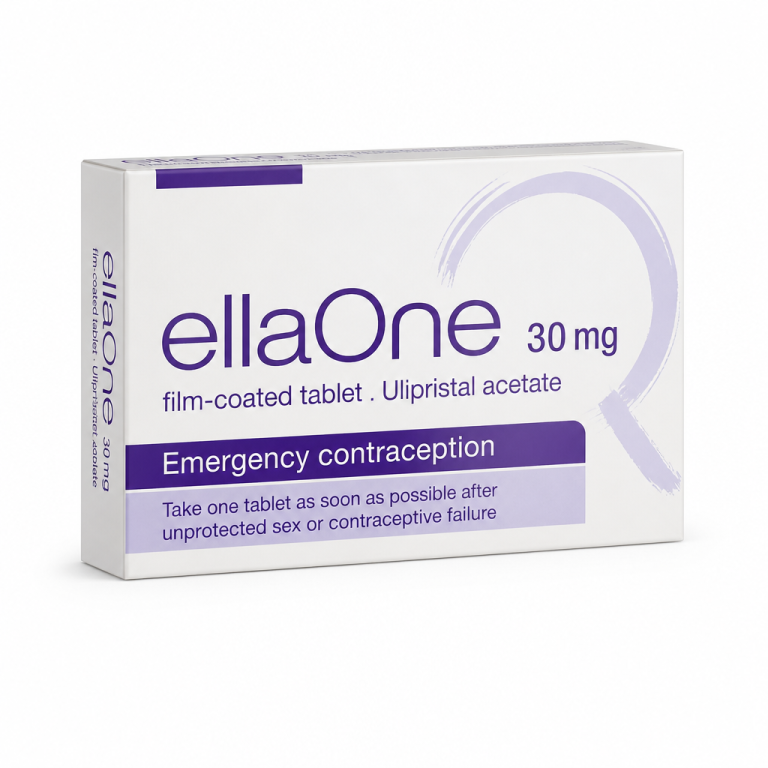
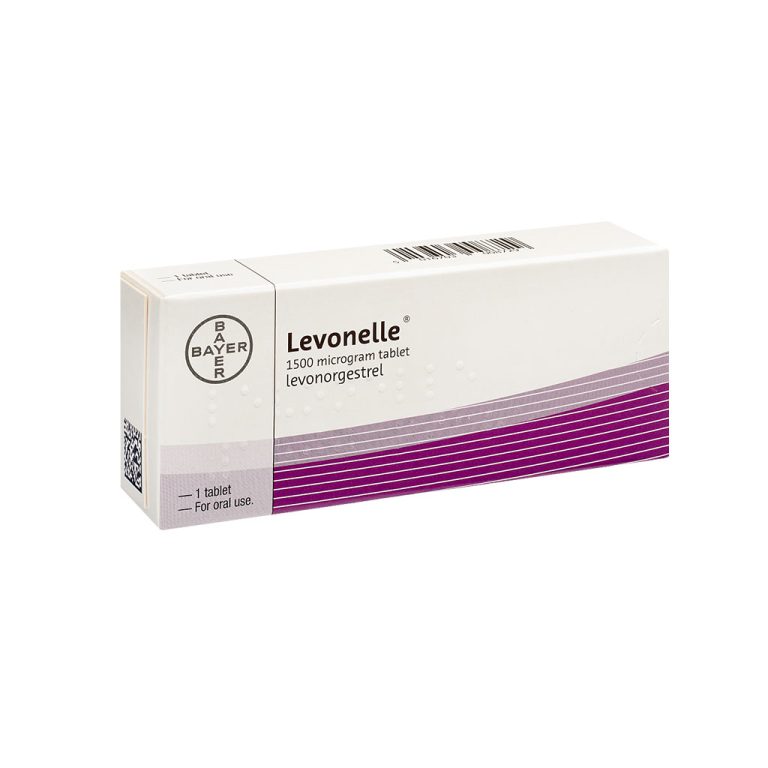
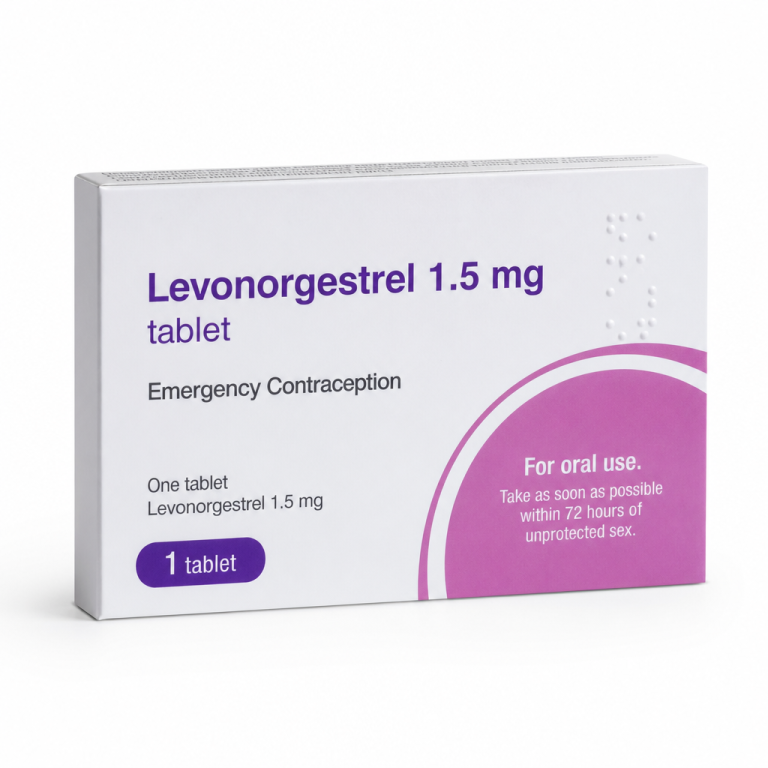
EHC primarily functions by delaying or inhibiting ovulation, the process in which an egg is released from the ovary. This mechanism decreases the likelihood of sperm encountering an egg, thereby preventing fertilization. EHC is most effective when administered promptly following unprotected intercourse or contraceptive failure.
It is important to note that EHC does not terminate an existing pregnancy and is ineffective if ovulation has already taken place. Additionally, EHC does not offer protection against sexually transmitted infections and is not designed for regular contraceptive use.