
Symptoms
Symptoms of diarrhoea and dehydration
Watery stools and cramps are typical of a short viral illness. Blood, black stools, and signs you cannot replace fluids are the features that matter most for safety.
Treatments
Request diarrhoea treatment online for short-term symptoms. A clinician checks red-flag signs first, with discreet UK delivery if a medicine is appropriate.
Introduction
Diarrhoea is passing loose or watery stools more often than usual. Most cases are short-lived viral gastroenteritis. The priorities are hydration and spotting people who need urgent care or stool testing.
We will review anti-diarrhoeal options only where they are safe — they are not for everyone, especially if there is fever, blood, or suspected infection that must leave the gut.
The condition
Diarrhoea means passing loose or watery stools more often than is usual for you. Most short-lived cases in adults are viral gastroenteritis (“a stomach bug”) and settle in a few days if you can keep fluids down. The priority is hydration and spotting people who need tests or hospital care.
Blood in the stool, black tarry stools, a high fever, severe pain, recent tropical travel, or diarrhoea after antibiotics (possible Clostridioides difficile) change the plan. Anti-diarrhoeal tablets are not safe for everyone because they can trap some infections in the gut.
Private Pharmacy Care may review oral rehydration and, where appropriate, loperamide when this service is open. A clinician decides. Completing a consultation does not guarantee a prescription. Always read the patient information leaflet. Children, frail older people, and anyone who cannot keep fluids down need NHS advice rather than waiting.

Symptoms
Watery stools and cramps are typical of a short viral illness. Blood, black stools, and signs you cannot replace fluids are the features that matter most for safety.
Causes
Viruses, bacteria, toxins in food, medicines and long-term bowel conditions can all loosen stools. The cause decides whether you slow the gut or let the infection leave.
Products
Benefits
Oral rehydration is the mainstay. Loperamide can help some adults with short, non-bloody diarrhoea after a clinician checks it is appropriate.
Advice on fluids and rehydration solutions, especially if you cannot eat much.
Anti-motility medicine may be considered for some adults without red flags.
Handwashing and staying off work if you handle food, until 48 hours after the last loose stool.
Blood, black stools, severe pain, or dehydration need a different pathway.
Eligibility
Remote advice suits otherwise healthy adults with brief watery diarrhoea. Children, the frail, and bloody diarrhoea need extra caution.
A clinician decides whether treatment is appropriate. Completing a consultation does not guarantee a prescription.
Start a consultation
Start a confidential consultation. Seek urgent care if you cannot keep fluids down, pass blood, or feel severely unwell.
How it works
Most infectious diarrhoea settles in a few days. Loperamide slows gut movement and should not be used if you have dysentery-like illness unless a clinician says so. Antibiotics are not routine.
Answer a short, confidential questionnaire about your symptoms, medical history and current medicines.
A UK-registered clinician reviews your answers to check the treatment is safe and appropriate for you.
If a prescription is issued, our pharmacy dispenses the medicine and sends it in discreet UK packaging.
Questions after you start treatment? Contact the team and we will help you with next steps.
Safety
Do not use loperamide if there is blood, high fever, or suspected inflammatory diarrhoea unless advised.
Severe dehydration, especially in older people, needs urgent care.
Side effects
Anti-diarrhoeals can cause constipation if overused. Dizziness can occur.
Always read the patient information leaflet supplied with a medicine. This page is general information and is not a substitute for personalised clinical advice.
Using treatment
Always read the patient information leaflet. Rehydration comes before anti-diarrhoeal tablets. The steps below are general.
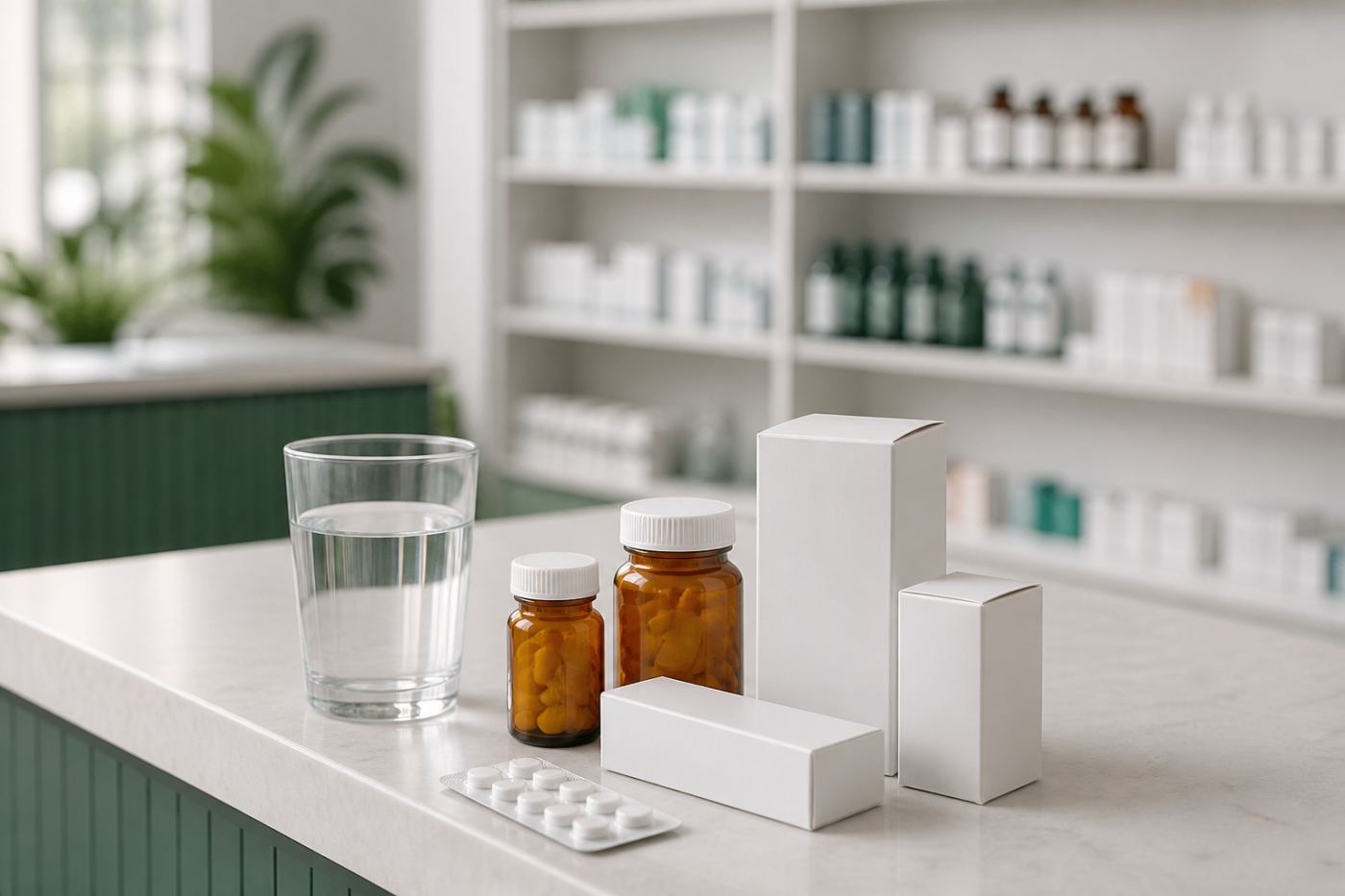
Take small, frequent sips. Oral rehydration sachets are mixed with the exact amount of water on the pack — not more concentrated “to be stronger”.
Take the starting dose in the leaflet, then after each loose stool up to the maximum. Stop when stools thicken. Do not give it to children unless the product and a clinician say so.
Soap and water after the toilet and before eating. The usual return-to-food-handling rule is 48 hours after symptoms stop.
Leftover antibiotics can make some gut infections worse. Seek advice if symptoms last more than a week or you cannot drink.
Safety netting
Most healthy adults improve in a few days. Dehydration, bleeding and C. difficile are the situations that should change your plan the same day.

Common questions
Tap a question to see the answer. If you still need help, our team is ready to assist.
Yes. Start an online consultation. Focus on fluids now, and seek NHS advice if you are dehydrated or pass blood.
Small amounts of bland food are fine if you want them. Fluids matter more than forcing meals.
Usually no. They can sometimes make things worse. Testing guides treatment after travel or in outbreaks.
Often 48 hours after the last loose stool, and longer if you handle food — follow your workplace and UKHSA advice.
Why choose us
A regulated UK pharmacy service with clinician review, discreet delivery and support if you have questions after treatment is supplied.
Every request is reviewed by a UK-registered clinician before a medicine can be prescribed.
Complete a private questionnaire from home. Your information is used to check that treatment is safe and appropriate.
If a prescription is issued, our pharmacy dispenses it and sends it in plain packaging.
We ask about your symptoms, medical history and other medicines. Completing a form does not guarantee a prescription.
Questions about side effects or how to take a medicine? Contact the team and we will help you with next steps.
Private Pharmacy Care is a UK pharmacy service. Named clinicians and public register details are listed on our clinical team page.
Sources
This page is general information for UK patients. It is not a substitute for the patient information leaflet or personalised clinical advice.
Check eligibility
This treatment does not have an online consultation yet. Send your name, email and phone number and our team will contact you about Diarrhoea.
Thank you. We have received your details about Diarrhoea and will be in touch shortly.
Ready when you are
Browse treatments, start a consultation, or contact the team first if you are unsure which option is right for you.