Symptoms
Symptoms of common allergies
Typical allergic rhinitis stays in the nose and eyes. Wheeze, throat tightness, or a widespread hive-like rash after food or a sting is a different, more urgent problem.
Treatments
Request allergy treatment online for hay fever-type symptoms. A UK-registered clinician reviews antihistamines and sprays, with discreet delivery if suitable.
Introduction
Allergies happen when the immune system overreacts to something usually harmless, such as pollen, house dust mites, pet dander, or some foods. Typical symptoms include sneezing, itchy eyes, a blocked or runny nose, and an itchy rash.
Private Pharmacy Care can review antihistamines and related options for common allergic rhinitis and itch after a consultation. Anaphylaxis, swelling of the throat, or sudden breathing difficulty is an emergency — go to A&E. Completing a form does not guarantee a prescription.
The condition
An allergy is an immune reaction to a trigger that does not bother most people. In the nose and eyes this is allergic rhinitis — seasonal (hay fever) or year-round (for example dust mites or pets). The skin may itch or swell. The gut and breathing can be involved in food or sting allergy.
Most remote consultations are for hay fever-type symptoms: sneezing, itch, and a blocked or runny nose. Anaphylaxis — sudden breathing difficulty, throat swelling, or collapse — is a medical emergency. Go to A&E and use an adrenaline pen if you have been prescribed one.
Private Pharmacy Care can review antihistamines and nasal sprays after an online consultation. A clinician decides. Completing a form does not guarantee a prescription. Always read the patient information leaflet if a medicine is supplied.

Symptoms
Typical allergic rhinitis stays in the nose and eyes. Wheeze, throat tightness, or a widespread hive-like rash after food or a sting is a different, more urgent problem.
Causes
The immune system releases histamine and other chemicals when it meets a trigger you are sensitised to. Family history of atopy (asthma, eczema, hay fever) is common.
Treatments
This is a guide to common UK options. A clinician decides what, if anything, is suitable. Completing a consultation does not guarantee a prescription.
Products
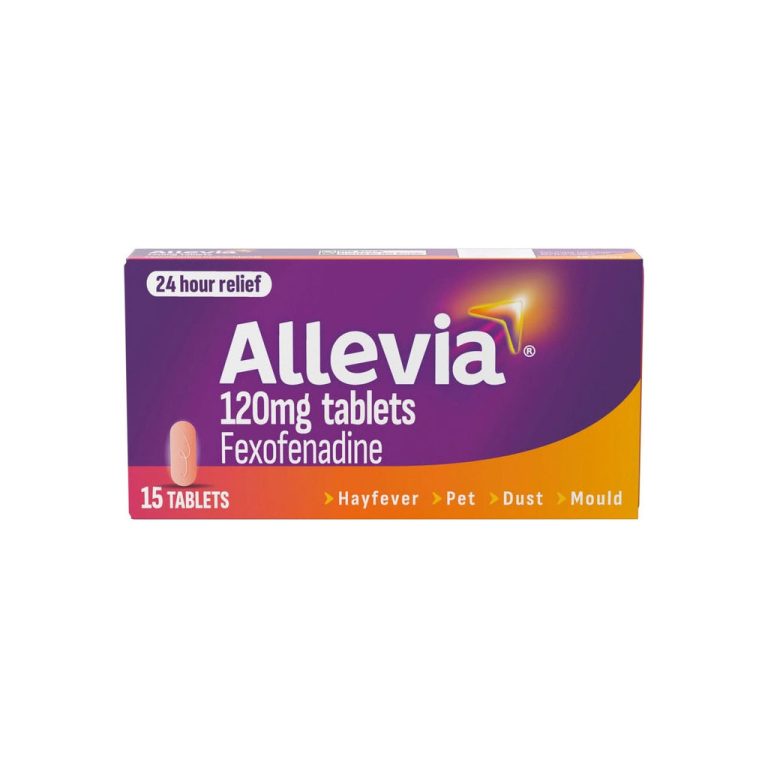
Allevia branded fexofenadine 120mg. Suitable over 12 years. One tablet daily. May cause drowsiness. From £11.50 for 30…
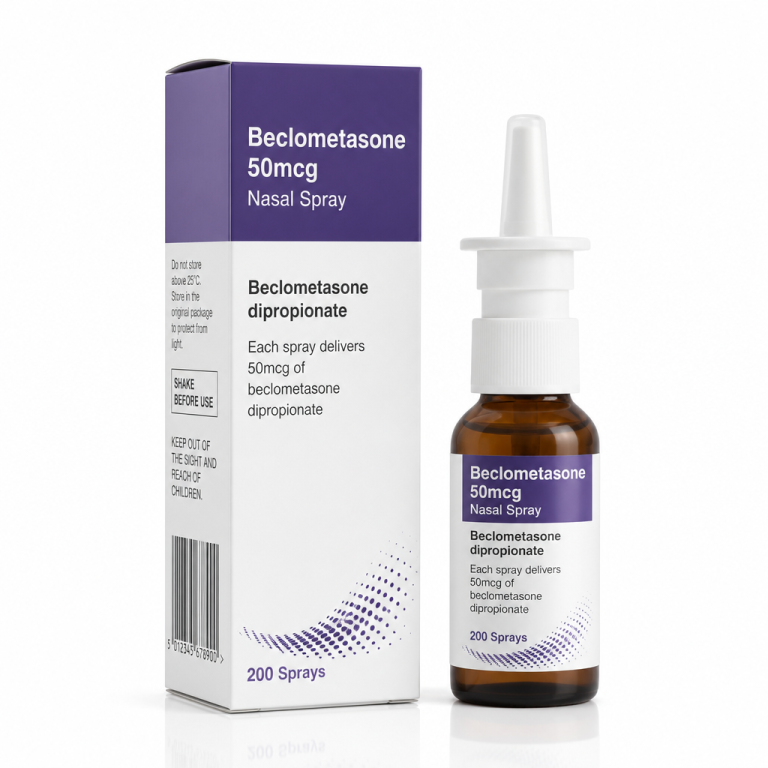
Beclometasone 50mcg nasal spray for allergic rhinitis. Suitable over 6 years. 200 sprays. Two sprays in each nostril…
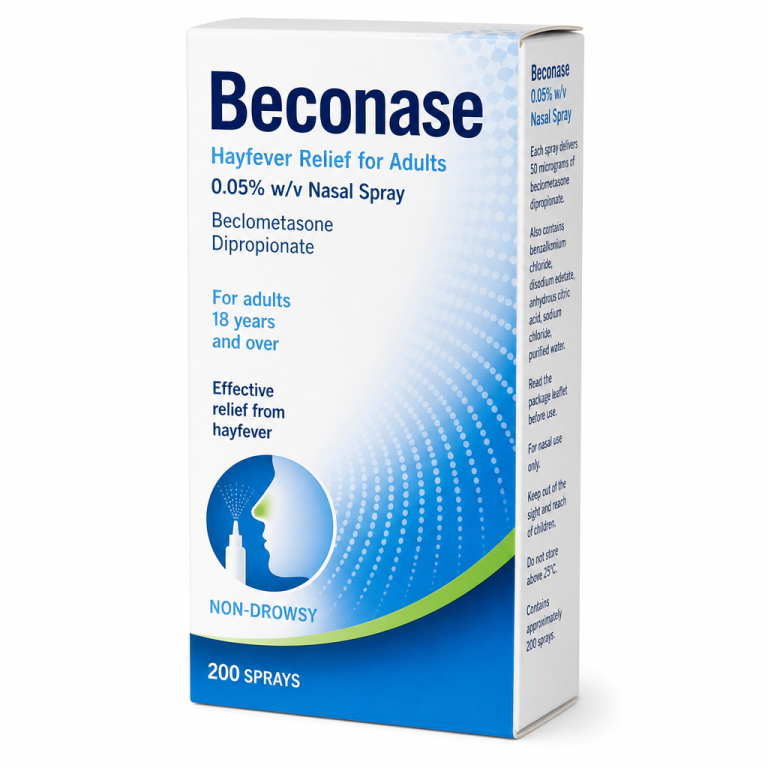
Beconase branded beclometasone nasal spray. Suitable over 6 years. 100 sprays. Two sprays in each nostril twice daily.…
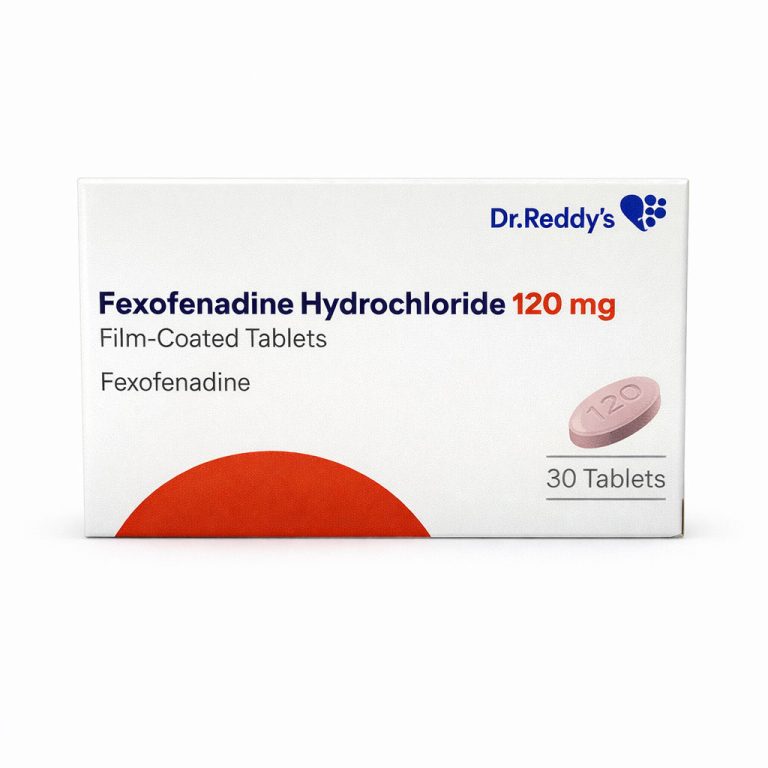
Fexofenadine 120mg antihistamine for allergy symptoms. Suitable over 12 years. One tablet daily before food. May cause drowsiness.…
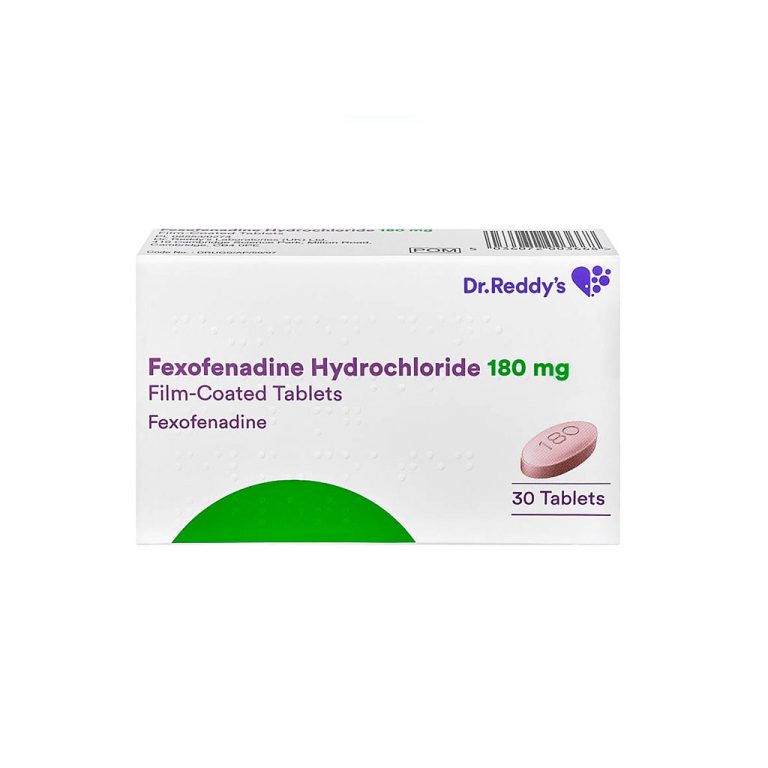
Fexofenadine 180mg antihistamine for allergy symptoms. Suitable over 12 years. One tablet daily. May cause drowsiness. From £15…
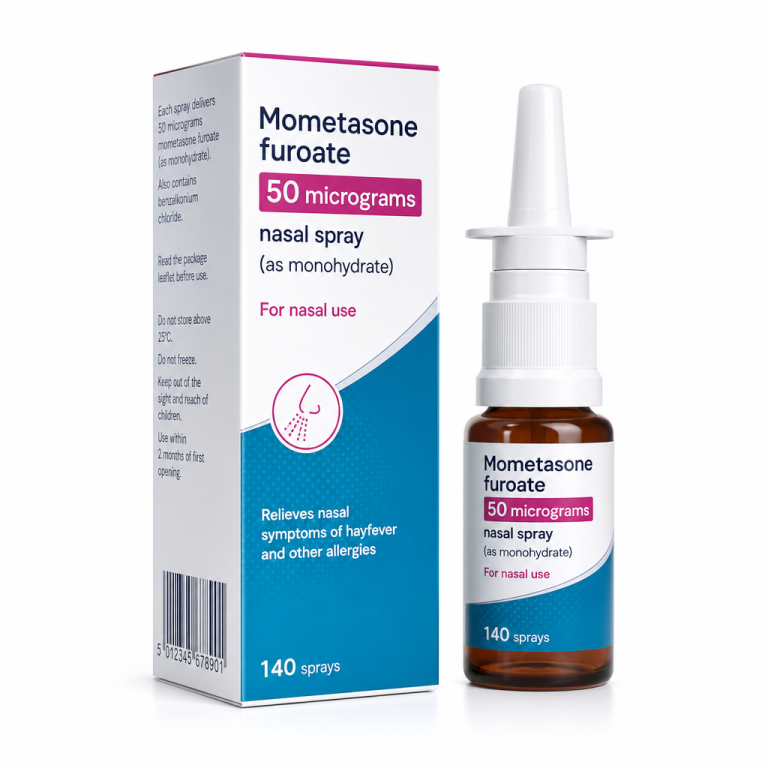
Mometasone furoate 50mcg nasal spray. Suitable over 3 years. 140 sprays. Age-based once-daily dosing. £16. Pharmacist review required.
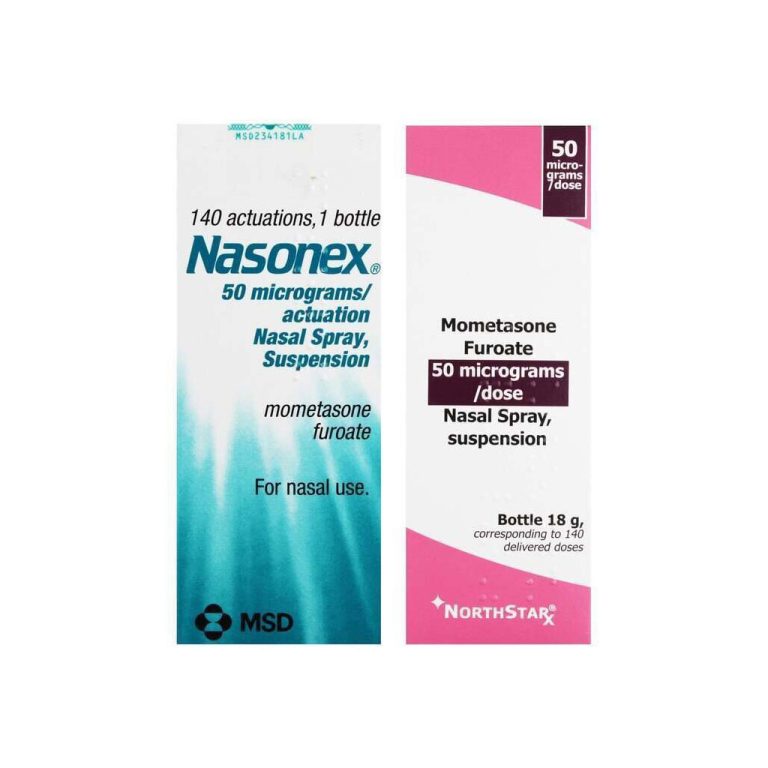
Nasonex branded mometasone 50mcg nasal spray. 140 sprays. £16. Pharmacist review required.
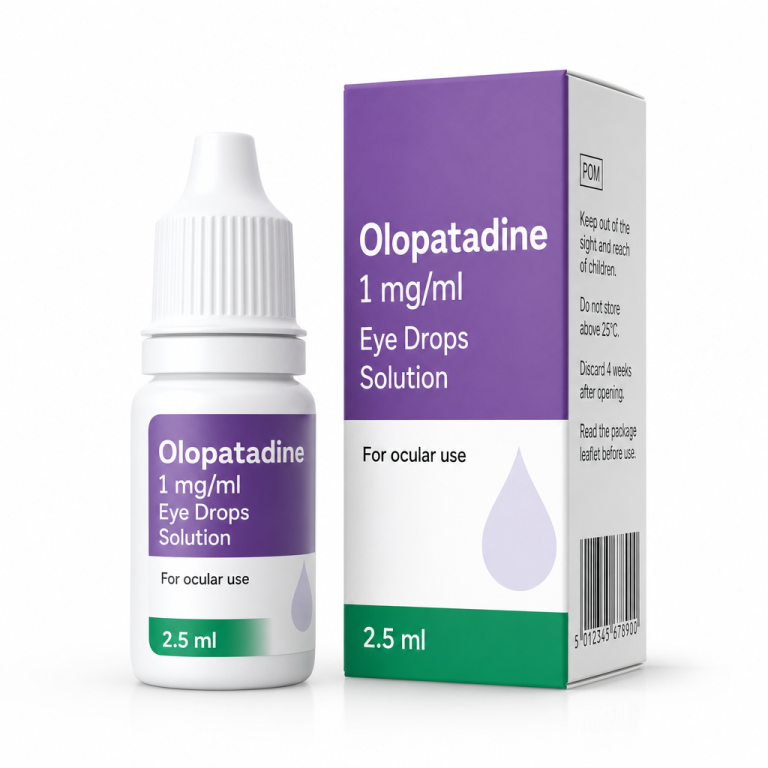
Olopatadine 1mg/ml eye drops for allergic conjunctivitis. Suitable over 3 years. One drop twice daily. Max 4 months’…
Benefits
Non-sedating antihistamines and steroid nasal sprays are the usual first steps for hay fever-type allergies. The right plan depends on what you react to and whether asthma is involved.
Modern antihistamines can ease sneezing, itch and watery eyes without as much drowsiness as older products.
A corticosteroid nasal spray used daily often works better for blockage than tablets alone.
We will ask about wheeze and inhalers, because poorly controlled allergy can worsen asthma.
Food allergy, insect-sting anaphylaxis, and immunotherapy need NHS or allergy-clinic pathways, not a remote antihistamine alone.
Eligibility
Typical seasonal or dust-mite symptoms in otherwise well adults may be suitable. Severe or unexplained reactions need a different assessment.
A clinician decides whether treatment is appropriate. Completing a consultation does not guarantee a prescription.
Start a consultation
Start a confidential consultation. Go to A&E if you have throat swelling or severe breathing difficulty.
How it works
Antihistamines block histamine that drives itch and sneezing. Intranasal corticosteroids reduce allergic swelling in the nose and work best when used regularly. Avoiding triggers and rinsing pollen off after being outside still help.
Answer a short, confidential questionnaire about your symptoms, medical history and current medicines.
A UK-registered clinician reviews your answers to check the treatment is safe and appropriate for you.
If a prescription is issued, our pharmacy dispenses the medicine and sends it in discreet UK packaging.
Questions after you start treatment? Contact the team and we will help you with next steps.
Safety
Sedating antihistamines affect driving and alcohol. Prefer a non-sedating option unless a clinician advises otherwise.
Worsening wheeze or chest tightness is an asthma issue — follow your action plan or seek urgent help.
Side effects
Non-sedating antihistamines are usually well tolerated. Nasal sprays can dry the nose or cause spotting.
Always read the patient information leaflet supplied with a medicine. This page is general information and is not a substitute for personalised clinical advice.
Using treatment
Always read the patient information leaflet for any tablet, spray or drop you are given. The steps below are general.

Once-daily products are usually taken at the same time. Do not exceed the dose. Avoid alcohol if you feel drowsy.
Gently blow your nose, aim slightly outward, and sniff lightly. Start before your usual season if you can.
A few days at most. Longer use often makes blockage worse.
Throat swelling, collapse, or severe wheeze is an emergency. An antihistamine is not a substitute for adrenaline in anaphylaxis.
Safety netting
Most hay fever-type allergy is uncomfortable rather than dangerous. Airway swelling and asthma attacks are the exceptions.

Common questions
Tap a question to see the answer. If you still need help, our team is ready to assist.
Hay fever is seasonal allergic rhinitis, one common type of allergy. This page also covers year-round symptoms such as dust-mite allergy. We have a dedicated hay fever page if that is your main issue.
We can discuss antihistamines for mild itch in some cases, but food allergy diagnosis, adrenaline pens, and desensitisation need specialist or GP care.
Nasal steroids often work better if started shortly before your usual season.
Yes. Start an online consultation. Many antihistamines are already available in pharmacies if you need something the same day.
Why choose us
A regulated UK pharmacy service with clinician review, discreet delivery and support if you have questions after treatment is supplied.
Every request is reviewed by a UK-registered clinician before a medicine can be prescribed.
Complete a private questionnaire from home. Your information is used to check that treatment is safe and appropriate.
If a prescription is issued, our pharmacy dispenses it and sends it in plain packaging.
We ask about your symptoms, medical history and other medicines. Completing a form does not guarantee a prescription.
Questions about side effects or how to take a medicine? Contact the team and we will help you with next steps.
Private Pharmacy Care is a UK pharmacy service. Named clinicians and public register details are listed on our clinical team page.
Sources
This page is general information for UK patients. It is not a substitute for the patient information leaflet or personalised clinical advice.
Check eligibility
This treatment does not have an online consultation yet. Send your name, email and phone number and our team will contact you about Allergies.
Thank you. We have received your details about Allergies and will be in touch shortly.
Ready when you are
Browse treatments, start a consultation, or contact the team first if you are unsure which option is right for you.