Symptoms
Symptoms of acne
Acne is more than the odd spot. Describe where it is, whether spots are painful lumps, and whether you have scarring or pigmentation, as this changes which treatments are reasonable.
Treatments
Request acne treatment online from Private Pharmacy Care. A UK-registered clinician reviews your skin history, with discreet UK delivery if treatment is suitable.
Introduction
Acne is a common skin condition that causes spots, oily skin and sometimes scarring. It can affect the face, chest and back, and it is not caused by poor hygiene.
Private Pharmacy Care can review prescription acne treatments after an online consultation. A clinician decides what is appropriate based on severity, your skin, and medicines you already use.
Effective plans often combine topical treatment, and sometimes oral medicines, with a simple skincare routine and sun protection.
The condition
Acne is a common inflammatory skin condition of the hair follicles and oil glands. It causes blackheads, whiteheads, red spots and sometimes deeper lumps on the face, chest or back. It is not caused by poor hygiene or by eating one particular food, though some people notice their own triggers.
Hormones increase oil production, pores become blocked, and Cutibacterium acnes bacteria plus inflammation drive spots. It often starts in puberty but can continue or begin in adulthood. Picking and harsh scrubs increase the risk of marks and scars.
Private Pharmacy Care can review prescription topical treatments and, where appropriate, oral medicines after an online consultation. A clinician decides what is suitable. Completing a form does not guarantee a prescription. Improvement is usually gradual over several weeks. Always read the leaflet supplied with your medicine.
Symptoms
Acne is more than the odd spot. Describe where it is, whether spots are painful lumps, and whether you have scarring or pigmentation, as this changes which treatments are reasonable.
Causes
Acne develops when oil, dead skin cells and bacteria interact in a blocked follicle. Hormones, genetics and some medicines matter more than washing frequency.
Treatments
UK acne care follows a stepped approach. A clinician chooses products based on severity, pregnancy risk and what you have already tried. This is a guide only. Completing a consultation does not guarantee a prescription. Oral isotretinoin is a specialist medicine and is not supplied through a standard online acne form.
Products
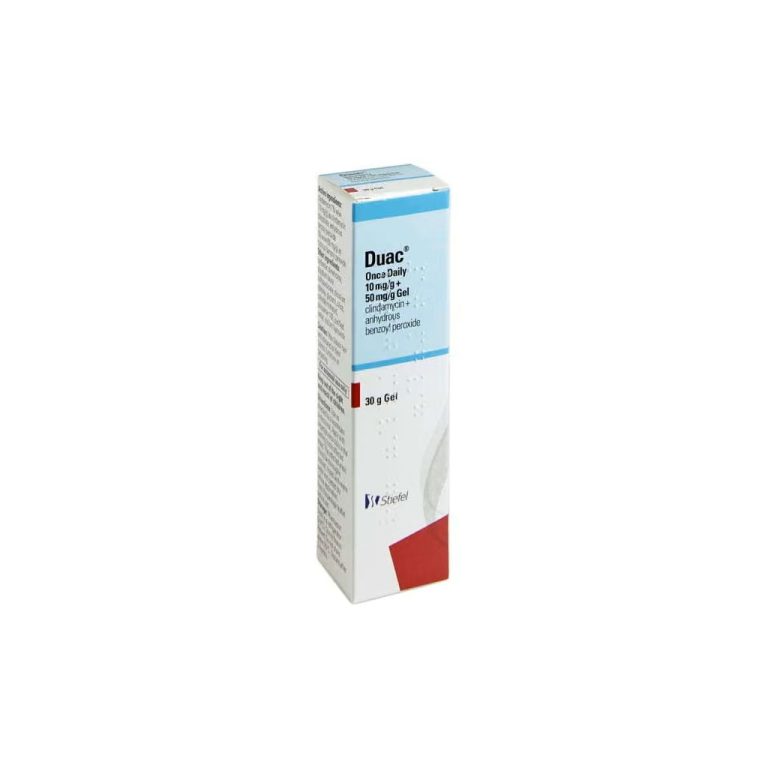
Duac Gel for mild to moderate acne: clindamycin plus benzoyl peroxide. Apply once daily in the evening. 3%…
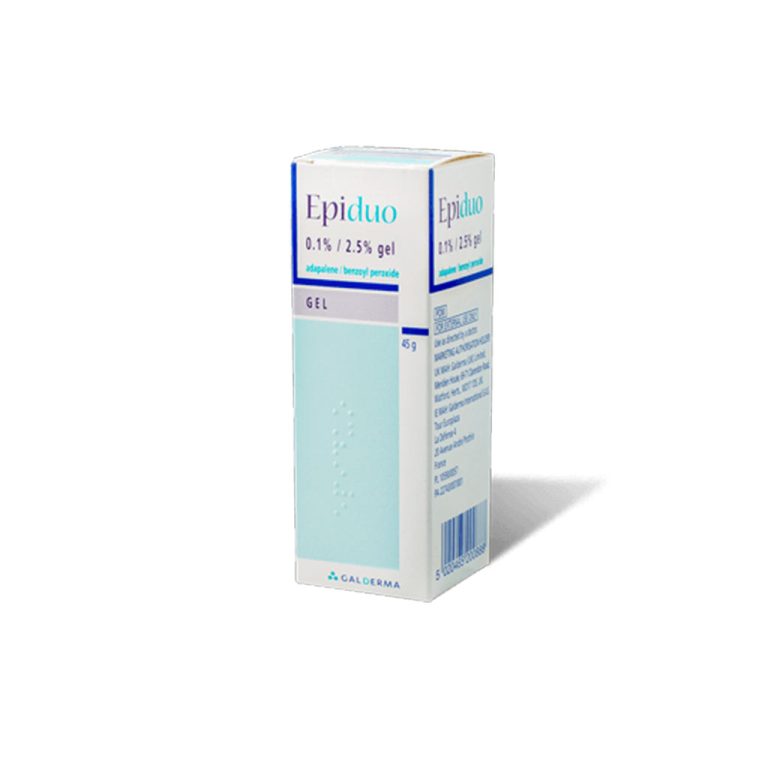
Epiduo Gel for moderate to severe acne: benzoyl peroxide plus adapalene. Apply once daily at bedtime. 0.1%/2.5% gel…
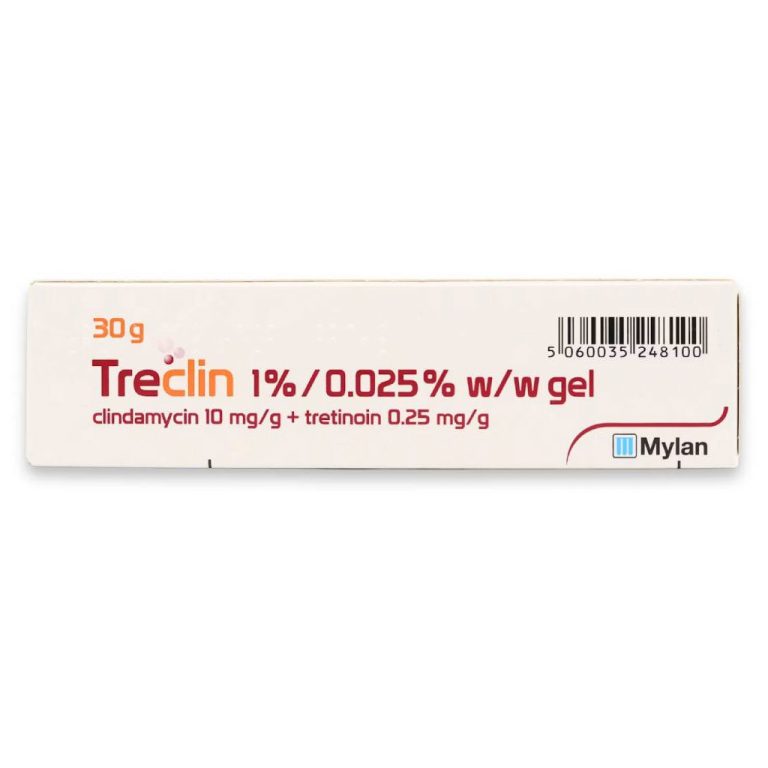
Treclin Gel for acne: clindamycin plus tretinoin. Apply once daily in the evening. £35 for 30g. Pharmacist review…
Benefits
Prescription acne treatments aim to reduce inflammation, unblock pores and limit bacteria involved in spots. Improvement is usually gradual over several weeks.
Options can include topical retinoids, benzoyl peroxide combinations, topical antibiotics used correctly, or oral medicines where appropriate.
If pharmacy or supermarket products have not been enough, a clinician can consider prescription-strength care.
You will get directions on how to apply or take treatment, and what to avoid (such as harsh scrubs).
Approved medicines are dispensed and delivered in plain packaging.
Eligibility
Not every acne medicine is suitable in pregnancy, while breastfeeding, or with certain medical conditions. Photos may be requested to support the review.
A clinician decides whether treatment is appropriate. Completing a consultation does not guarantee a prescription.
Start a consultation
Complete a short online consultation. A UK-registered clinician reviews your answers before any treatment is supplied.
How it works
Topical retinoids help skin cells turn over and keep pores clearer. Benzoyl peroxide has antibacterial and drying effects. Oral options, when used, work throughout the body and need extra safety checks. Most people need 6–12 weeks to judge a fair response.
Answer a short, confidential questionnaire about your symptoms, medical history and current medicines.
A UK-registered clinician reviews your answers to check the treatment is safe and appropriate for you.
If a prescription is issued, our pharmacy dispenses the medicine and sends it in discreet UK packaging.
Questions after you start treatment? Contact the team and we will help you with next steps.
Safety
Some acne treatments make you more sensitive to sunlight. Use sunscreen and avoid sunbeds.
Oral retinoids such as isotretinoin are specialist medicines and are not supplied through a standard online acne form. We will tell you if you need GP or dermatology referral.
Side effects
Dryness, redness and peeling are common at the start of topical treatment. They often improve if you ease in as directed.
Always read the patient information leaflet supplied with a medicine. This page is general information and is not a substitute for personalised clinical advice.
Using treatment
Always follow the patient information leaflet and your dispensing label. Over-applying does not speed results and often inflames the skin. The steps below are general.
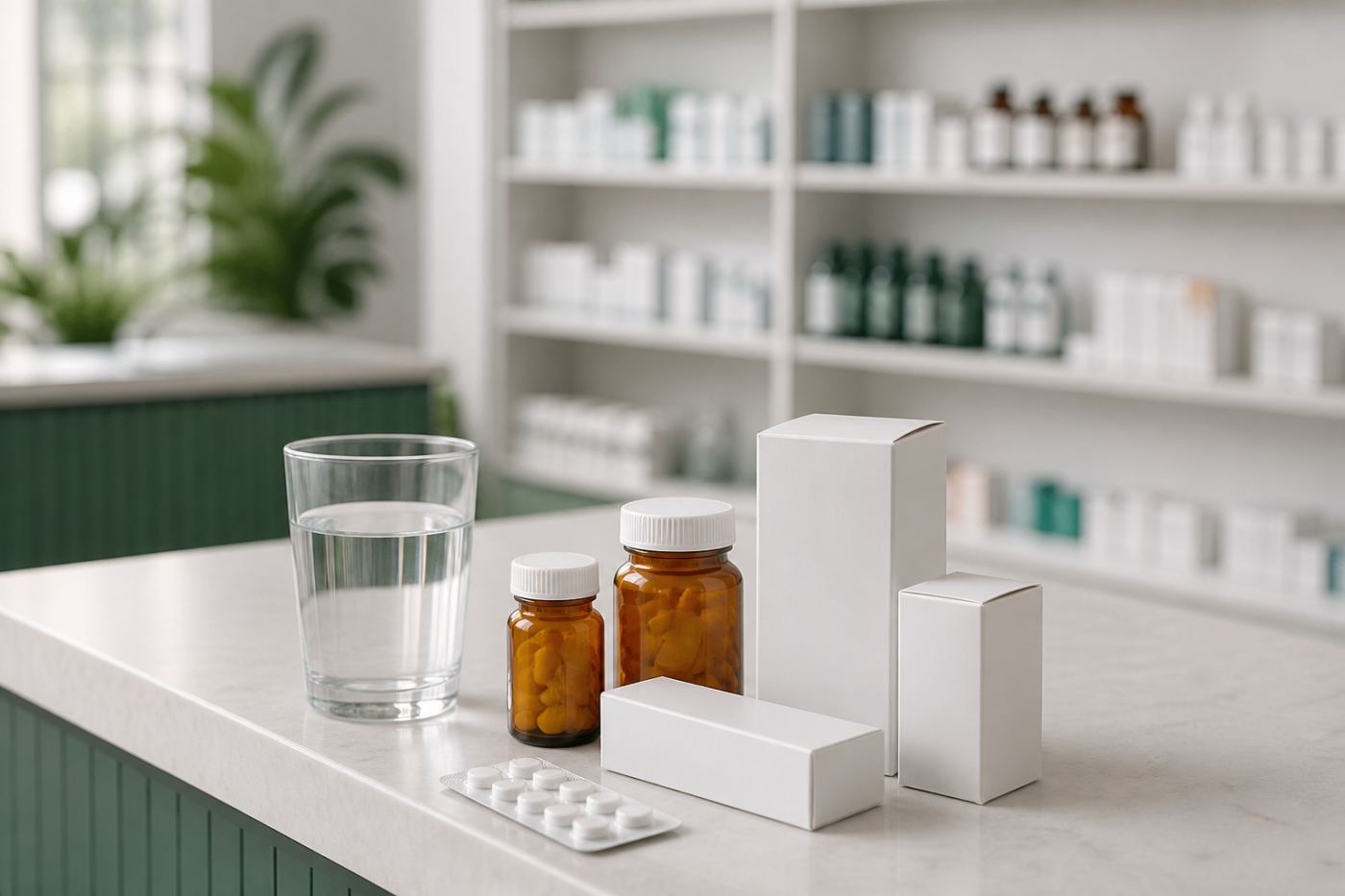
Many retinoids are used at night on clean, dry skin. A pea-sized amount is often enough for the whole face. If you have been told to use it every other night at first, do that.
Apply a simple moisturiser to reduce dryness. Use daily SPF and avoid sunbeds. Benzoyl peroxide can bleach towels and pillowcases — let it dry first.
Swallow antibiotics with a full glass of water. Some tetracyclines must not be taken with milk, antacids or iron at the same time. Complete the planned course unless you are told to stop.
Spots can look a little worse before they improve. Do not add extra acids, scrubs or several new actives at once. Contact us if irritation is severe.
Safety netting
Dryness and peeling are expected at the start of many topical plans. Some reactions and types of acne need medical review rather than pushing through.
Common questions
Tap a question to see the answer. If you still need help, our team is ready to assist.
Often several weeks. Spots can look a little worse before they improve. Stick with the plan unless side effects are severe.
Yes — choose non-comedogenic, simple products. Apply treatment as directed, then moisturiser if that is how you have been advised to layer them.
Only if a clinician decides they are appropriate, usually for a limited time and often with a topical treatment to reduce resistance.
Treating active acne helps reduce new scars. Established scars may need dermatology procedures, which this service does not provide.
Supply depends on age, consent and clinical policy. Complete the consultation honestly; we will not prescribe if it is not appropriate.
Why choose us
A regulated UK pharmacy service with clinician review, discreet delivery and support if you have questions after treatment is supplied.
Every request is reviewed by a UK-registered clinician before a medicine can be prescribed.
Complete a private questionnaire from home. Your information is used to check that treatment is safe and appropriate.
If a prescription is issued, our pharmacy dispenses it and sends it in plain packaging.
We ask about your symptoms, medical history and other medicines. Completing a form does not guarantee a prescription.
Questions about side effects or how to take a medicine? Contact the team and we will help you with next steps.
Private Pharmacy Care is a UK pharmacy service. Named clinicians and public register details are listed on our clinical team page.
Sources
This page is general information for UK patients. It is not a substitute for the patient information leaflet or personalised clinical advice.
Thank you. Your consultation request is awaiting clinical review.
Ready when you are
Browse treatments, start a consultation, or contact the team first if you are unsure which option is right for you.